The Role of UPS Systems in Data Centers and the Importance of Commissioning Tests
Overview
Data centers form the backbone of global IT operations for healthcare, finance, and core enterprise systems. Because these systems must operate continuously, power reliability is non-negotiable. To ensure stable performance, power systems must maintain high integrity even under extreme load transients or input disturbances. This article explores the critical role of Uninterruptible Power Supplies (UPSs) in data centers, the necessity of rigorous commissioning tests, and how to verify power quality to guarantee uptime.
Roles of UPSs Beyond Outage Protection
Data center UPS systems generally use double-conversion technology, where input AC power is rectified to DC and then inverted back to AC. This allows the output voltage and frequency to remain strictly independent of input fluctuations. Beyond basic outage protection, these systems perform several vital functions:
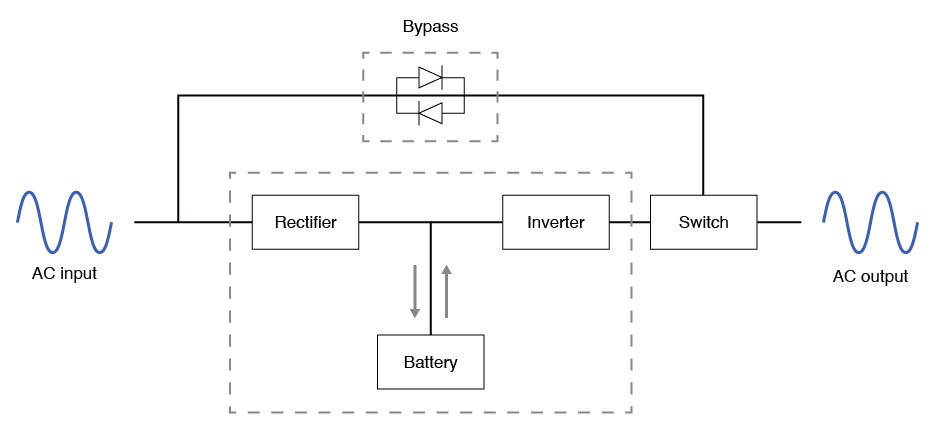 Fig. 1. Basic double-conversion UPS configuration: rectifier, inverter, battery, switch
- Protection Against Power Outages: The UPS ensures critical IT equipment remains powered during input losses, preventing server shutdowns or data loss.
 Fig. 2. Shutdown of input voltage does not affect output voltage
- Voltage and Frequency Regulation: By utilizing VI (Voltage Independent) or VFI (Voltage and Frequency Independent) operation, the UPS provides a stable output, shielding sensitive server and network equipment from input fluctuations.
 Fig. 3. Dip of input voltage does not affect output voltage
- Resilience to Load Transients: Modern AI training demands massive parallel processing, causing sudden, significant fluctuations in power consumption. A robust UPS must maintain voltage stability during these transients, even when managing nonlinear loads.
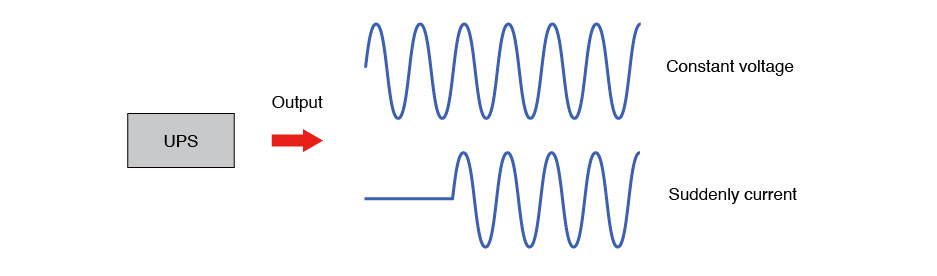 Fig. 4. The output voltage remains stable even under sudden load fluctuations
Site Acceptance Testing During Commissioning
A Site Acceptance Test (SAT) validates that the UPS system performs as designed within its actual operating environment. Rather than relying on generic checklists, effective commissioning requires a test plan tailored to the specific application. Per IEC 62040-3, SATs should focus on critical performance markers not verified during factory testing to ensure both cost-effectiveness and system longevity.
- Verifying Uninterrupted Power During Outages: This test simulates a commercial power failure while the UPS operates in normal mode. We evaluate output voltage stability during the transition to stored energy (battery) mode and verify transient responses when input power is restored.
 Fig. 5. Switch is opened to simulate an AC input power failure
- Step Load Testing for Output Stability: AI workloads cause rapid, high-magnitude load fluctuations. This test simulates transitions—such as no-load to 100% load—to confirm the UPS maintains a stable output. Abnormalities are mapped against standard limit values to ensure compliance.
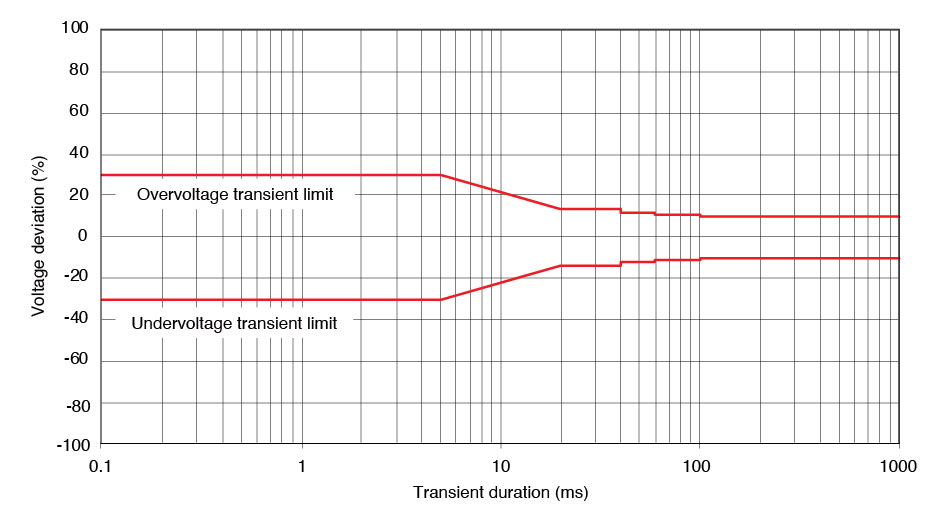 Fig. 6. Measured deviation and duration to determine operational limits
- Normal-to-Bypass Mode Switching: If the UPS unit encounters a failure, the system must transition to bypass mode without destabilizing server operations. This test observes transient phenomena under actual wiring and load conditions to ensure seamless switching.
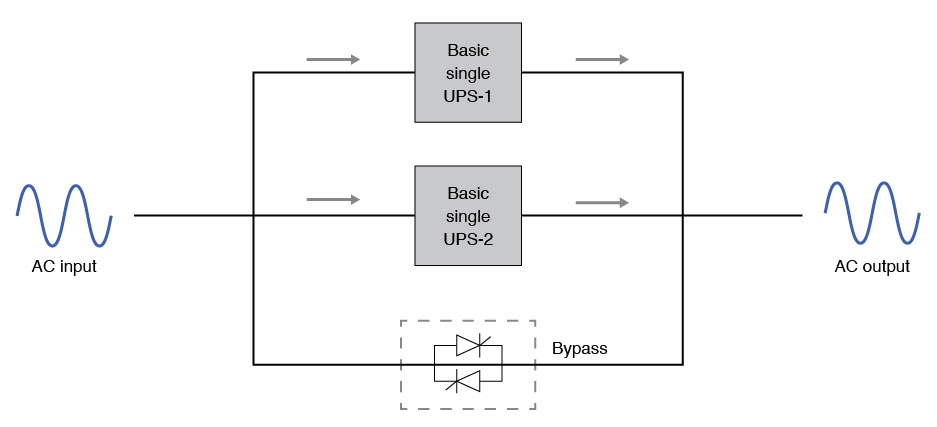 Fig. 7. UPS bypass configuration for maintaining power during switching
How Power Quality Analyzers Can Help with SAT
To transform skepticism of "good enough" into the confidence of "proven measurement," commissioning teams require instrumentation that delivers absolute reliability.
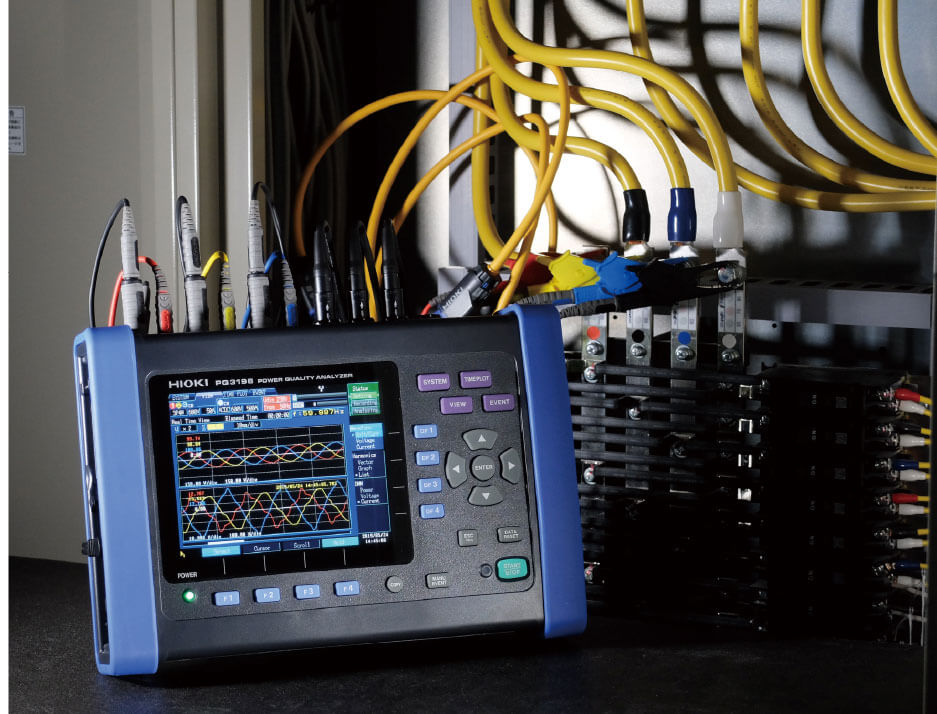
Fig. 8. PQ3198 for measuring three-phase power
- IEC 61000-4-30 Class A Compliance: As the highest grade for measuring instruments, Class A compliance is essential for assessing contractual requirements and providing evidentiary support in the event of disputes. Hioki’s PQ3198 power quality analyzer is third-party certified to this standard, ensuring the reproducibility required for high-stakes data center environments.
- Simultaneous Measurement of Trends and Events: Effective UPS testing requires evaluating both long-term RMS trends and high-speed transient waveforms. The PQ3198 records half-cycle RMS trend data alongside high-resolution event waveforms, allowing engineers to correlate long-term behavior with specific anomalies.
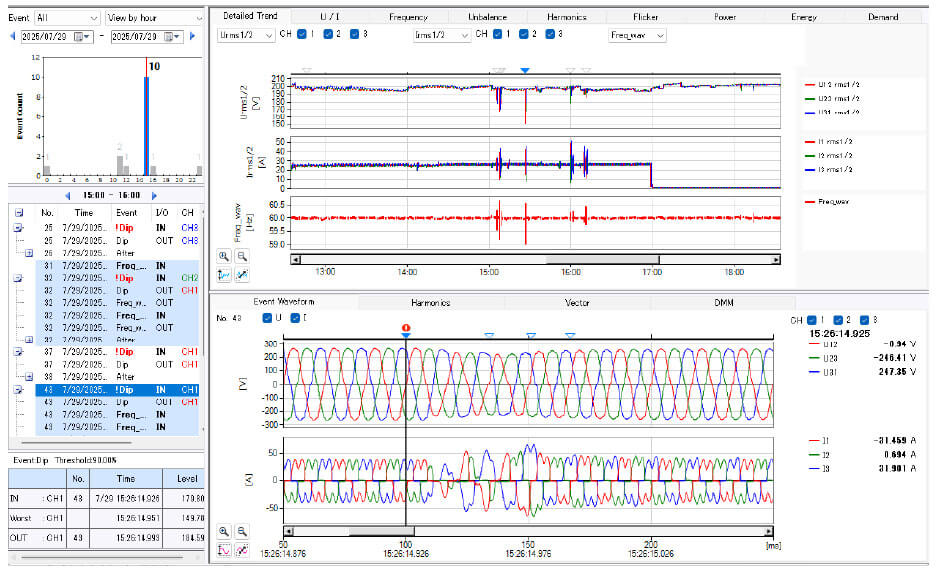
Fig. 9. PQ ONE software application showing RMS trends (top) and event waveforms (bottom)
- Simultaneous Multi-Channel Analysis: Evaluating UPS switching performance often necessitates synchronized measurements at multiple points. The PQ3198’s four-channel configuration enables simultaneous primary and secondary side measurement, offering the flexibility to trigger events across different circuits.
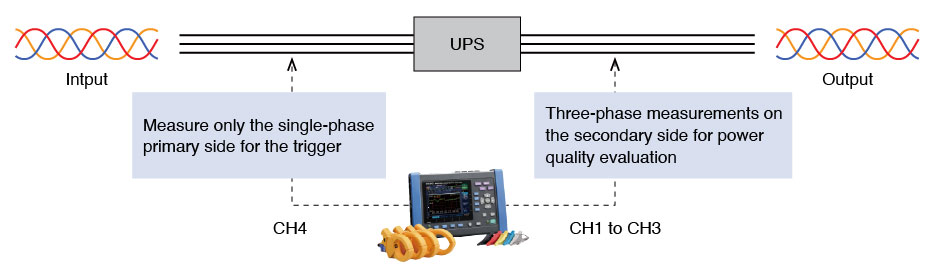 Fig. 10. Two different lines measured simultaneously
- Root-Cause Diagnosis: Because the PQ3198 captures a wide range of power events—including dips, swells, and waveform distortion—it serves as more than a pass/fail tool. It provides the deep technical insights needed to diagnose the root causes of power quality issues.
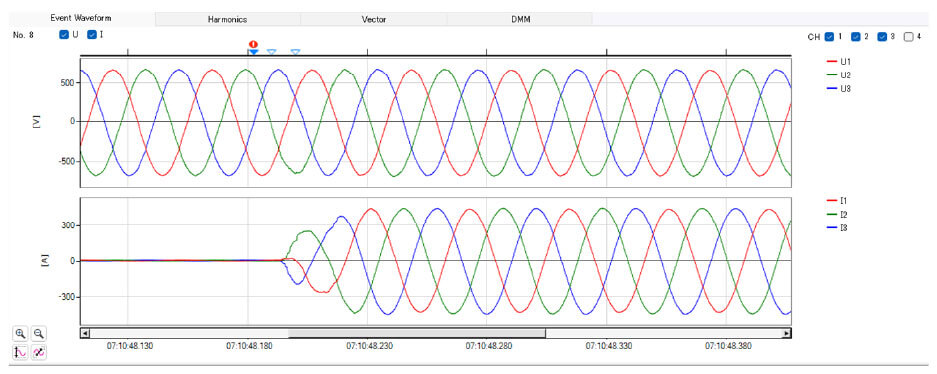
Fig. 11. Transient waveform captured by the PQ3198. Voltage remains stable despite sudden load increases.
By integrating the PQ3198 into your commissioning process, you gain the objective, reproducible data necessary to prove system performance and guarantee the reliability your customer's demand.
For detailed product information, please visit our website. For a demonstration or consultation on a specific application, please contact us.